



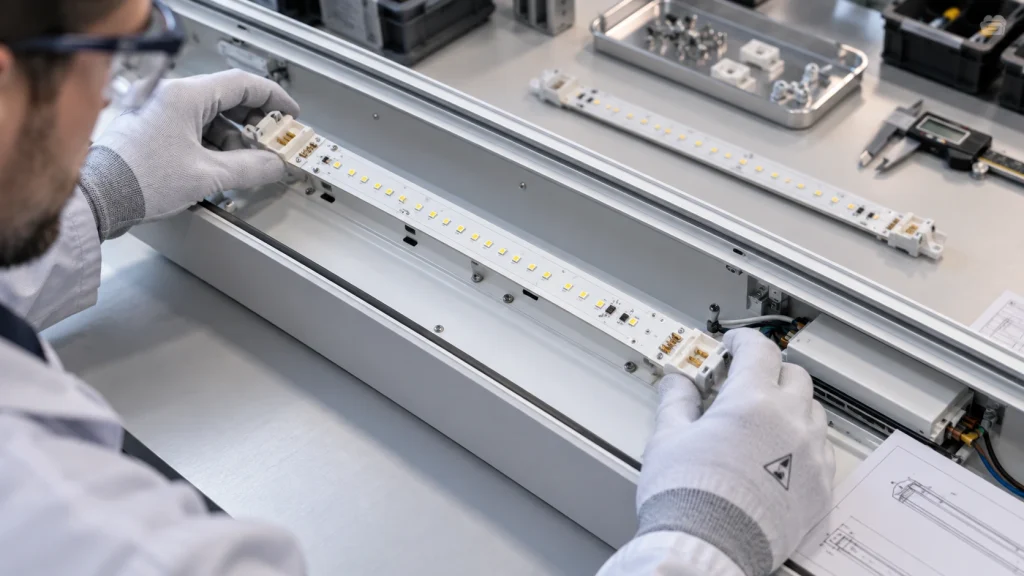
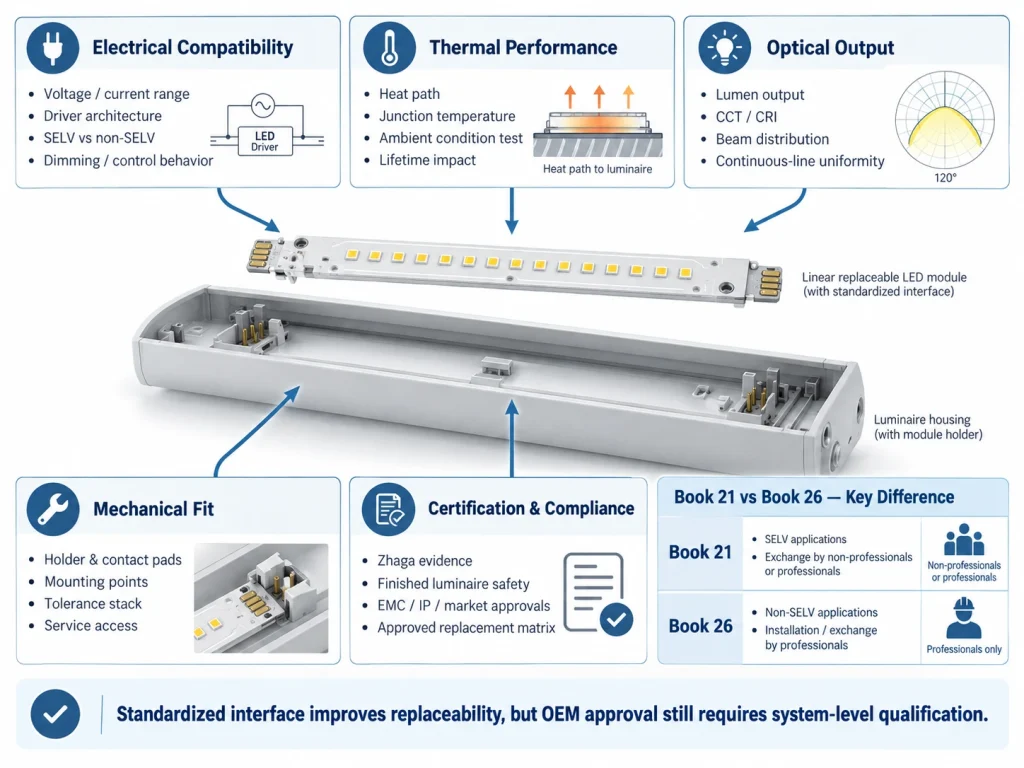
The practical answer to Zhaga Book 21 vs Book 26 is voltage regime and service access. Book 21 covers linear socketable LED modules for SELV applications and permits exchange by non professionals or professionals. Book 26 covers comparable modules for non-SELV applications and reserves installation and exchange for professionals. Both create standardized, toolless interfaces intended to make linear luminaires easier to assemble, configure, maintain, and upgrade.
For a luminaire OEM the choice is not, about picking a module. It changes the driver design, safety features, holder shape, service instructions, testing plan and supply chain. It also changes what the word replaceable really means: a clear interface can let different vendors swap parts. You still must check the electrical heat, light, physical and legal fit of the finished luminaire.
Zhaga Book 21 vs Book 26 at a Glance
| Decision point | Book 21 | Book 26 |
| Application regime | SELV | Non-SELV |
| Who may exchange it | Non-professionals or professionals | Professionals |
| Module format | Maximum 20 mm wide; 1, 2, or 4 ft | Maximum 20 mm wide; 1, 2, or 4 ft |
| Shared objective | Toolless, plug and -play, vendor independent replacement | Toolless, plug and play, vendor independent replacement |
The Zhaga Book 21 specification page and the Zhaga Book 26 specification page describe the same basic form factor and interface objective. The SELV/non-SELV boundary and the permitted service person are the decisive differences.
What the Standardized Interface Actually Changes
Books 21 and 26 move the electrical connection into contact pads on the LED module and corresponding contact making holders in the luminaire. Mounting areas provide mechanical fixation without relying on a discrete connector soldered to every module. The format is also designed to support continuous lighting lines without dark areas at module ends. For production, this creates a repeatable module to luminaire boundary instead of a one off board, connector, and mounting arrangement for every model.
That boundary can simplify late stage configuration. One light fixture system can be set up with parts that provide various levels of light or different features as long as every possible mix has been tested. When it is being used a broken or outdated light bulb can be replaced without having to throw away the light fixture. This helps with fixing things and supports the idea of using things again but only if the parts that can be swapped out are still around and the original company makes sure that the parts work together throughout the life of the product.
Design Implications for Luminaire OEMs
Choose the Electrical Architecture First
Select Book 21 when the module runs under the SELV architecture and the intended service concept might involve a non-professional user. Choose Book 26 when the module operates outside of an SELV architecture and professional access is a part of the product strategy. The label does not replace safety. The driver, wiring, insulation, enclosure, access protection, grounding where required and market-specific approvals still need system level evaluation.
Treat Holder, Module, and Luminaire as One Interface
A module that can be plugged in is helpful when its connection areas, places where it is fixed space around it how it stays in place and the path for service work with the chosen holder and case. Decide how to put it in the order to reach it protection from touching it control of pulling force allowed differences in size and the highest force allowed when replacing it. Make sure that normal differences in making it do not cause connection problems stress, on the board or a module that cannot be reached after the optics and covers are put on.
Requalify Thermal and Optical Performance
Mechanical interchangeability does not mean the junction temperature will be the same. It does not mean the lumen output will be the same. It does not mean the color quality will be the same. It does not mean the beam distribution will be the same. It does not mean the lifetime will be the same. Module supplier performance options can be different. The luminaires heat path and optical system decide the result. Test each approved module in the enclosure. Test each approved module under conditions that’re like the real environment. Check the contact. Check the LED current. Check how the diffuser or lens works. Check the uniformity from one end to the other. Check how the dimming works. Check any flicker or camera needs, for the application.
Build a Controlled Replacement Ecosystem
Publish a replacement matrix by luminaire family, driver, holder, module rating, firmware or control mode, and permitted installer type. Record which substitutions are drop-in, which require a driver or optical change, and which are prohibited. Procurement should qualify at least the module and luminaire interface together. Change notices for pad finish, board thickness, LED configuration, thermal material, or holder revision should trigger a documented engineering review rather than an automatic purchase substitution.
Certification and Claims Need Separate Evidence
Zhaga certification is specific to each product and, to each Book. The official pages give Letter of Confirmation templates for Book 21 LED modules and luminaires and Book 26 also has a connector template. An OEM should get the specification go through an authorized test route and check which module, holder or connector and luminaire combinations are covered. A compatible shape, a supplier statement or just the use of a certified connector should not be shown as certification of the luminaire.
Keep interface evidence, from electrical safety, electromagnetic compatibility, ingress protection, photobiological safety, energy rules and other destination market requirements. For US projects Zhaga may be an interoperability and serviceability specification but it does not replace the safety evaluation or certification path required for the finished product and its intended installation.
What to Put in the OEM Specification
A useful RFQ or engineering specification should identify the complete decision package:
- I need to confirm whether we are using Book 21 or Book 26 the edition, the intended market the luminaire application and whether indoor or outdoor use is required.
- Module length, module width envelope, electrical rating, current range, voltage range, holder, mounting method and service access
- Approved driver, dimming and control behavior, insulation concept, installer qualification and user service restrictions
- Thermal interface, maximum temperatures, optical targets, continuousline uniformity, and relevant operating corners
- Required Zhaga certification evidence, market approvals, test reports, traceability, and change-notification process
- Replacement matrix, availability horizon, packaging and handling controls, sample quantity, drawings, and validation schedule
How IHY Lighting Fits the Qualification Process
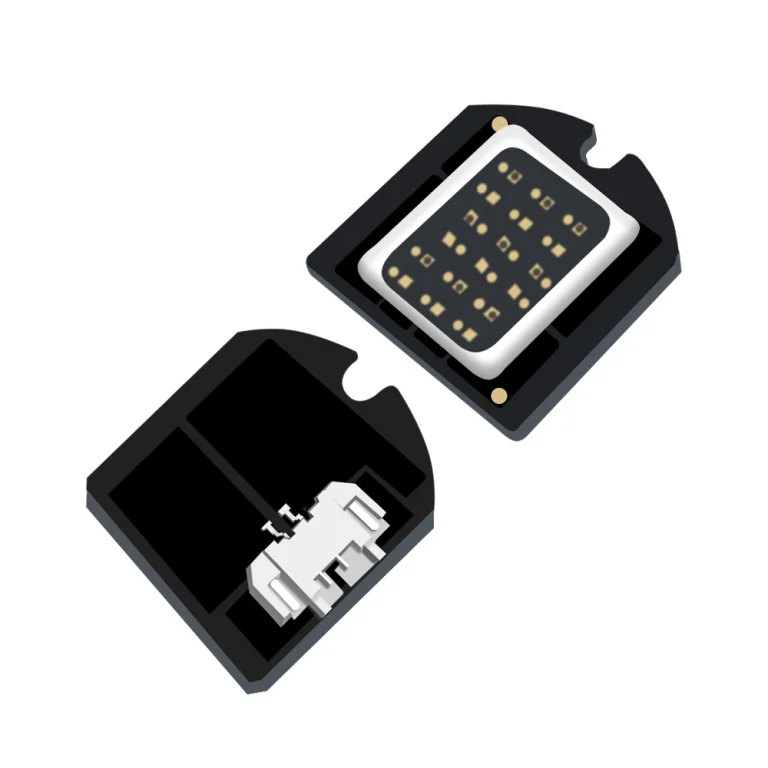
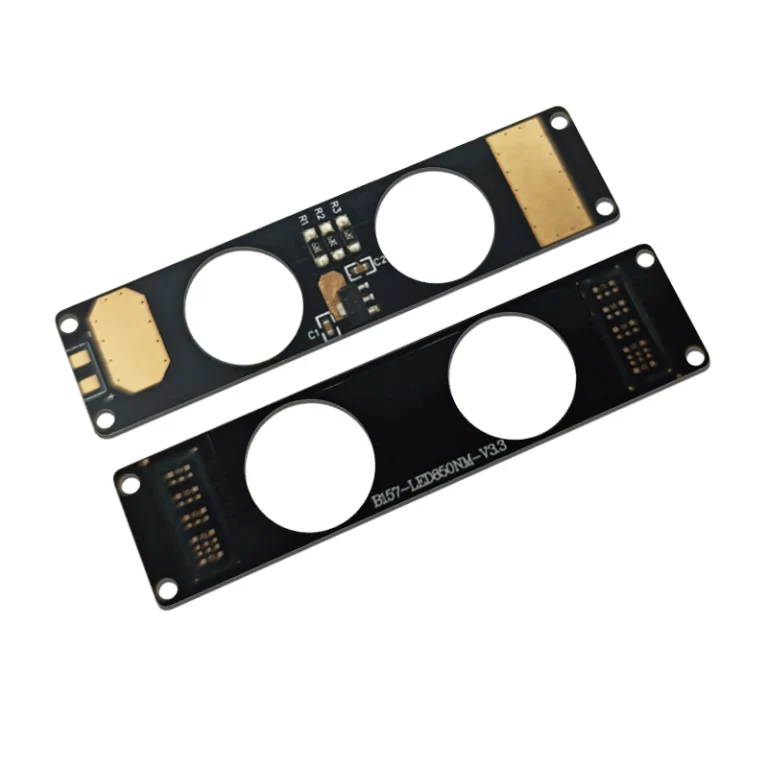
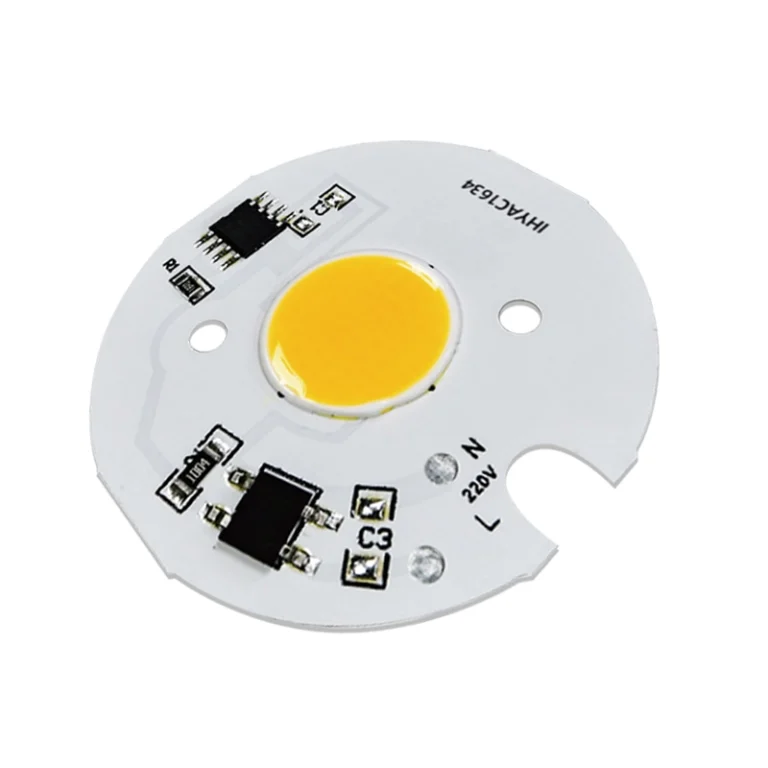
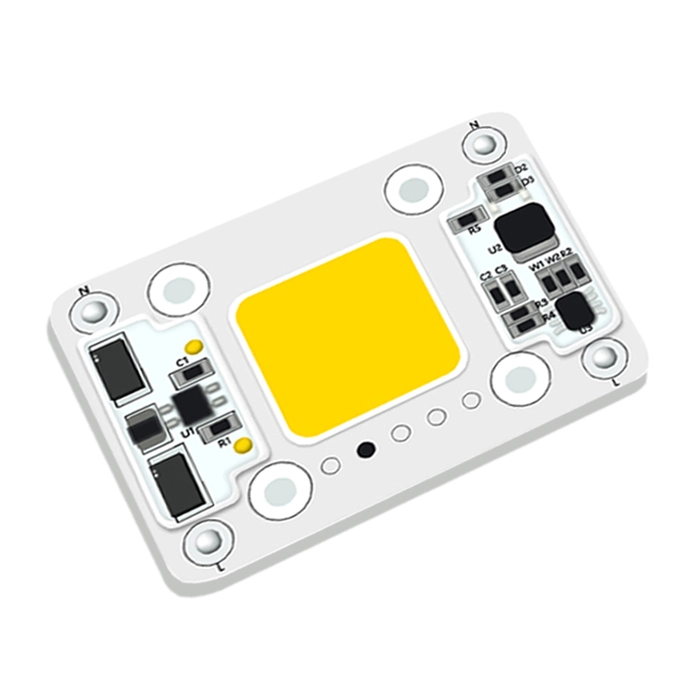
IHY Lightings LED module portfolio has types. These include AC, DC UV/IR, cinematic and studio and custom modules. This list can help with design talks.. Just listing categories does not mean the modules follow Book 21 or Book 26 rules. OEM teams must begin by looking at what they need. They should check the interface type, voltage, size, light output, heat flow, control method and which certifications are required.
Use the OEM LED module selection guide. It helps sort out questions about connections and whether things work together. Then use the LED light engine integration guide. That guide looks at the system: the light source, driver, heat management, optics and control systems. Before approval get drawings and physical samples. Test every combination, against the Zhaga Book standards and the final luminaire needs.
Conclusion
Zhaga Book 21 and Zhaga Book 26 both promise the thing: a standardized toolless way to replace linear LED modules. Zhaga Book 21 applies this promise to SELV systems where service accesss wider. Zhaga Book 26 applies this promise to non SELV systems that require an exchange. The business value comes from designing the holder, driver, thermal path, optics, documentation, certification and replacement supply together. When done well the interface can reduce platform variation. Keep a luminaire serviceable without treating compatibility as a given.
Frequently Asked Questions
Are Zhaga Book 21 and Book 26 Modules the Same Size?
Both official descriptions say there are linear modules that can be, up to 20 mm wide. These modules come in 1-foot 2-foot and 4-foot lengths. The same size does not mean every module can be used in the way. Ratings, how they perform the holders they use how they handle heat the light they produce and the certified ways they can be combined all need to be checked.
Can End Users Replace a Book 26 Module?
Book 26 products are intended to be installed and exchanged by professionals because they serve non-SELV applications. Book 21 products may be exchanged by non-professionals or professionals, subject to the finished luminaire’s instructions and applicable safety requirements.
Does a Replaceable LED Module Guarantee Vendor Independence?
The interface is meant to allow replacement without being tied to a vendor.. An OEM still needs to approve any alternative parts. A module that fits physically might be different, in load how it handles heat, how light spreads, the color it gives off the controls it uses or its certification status.
Does Zhaga Certification Cover the Entire Luminaire?
Certification scope depends on the Book and product submitted for testing. Module, connector, and luminaire evidence should be checked separately. Zhaga interface certification also does not replace the other safety and regulatory evaluations required in the destination market.
For a review provide IHY Lighting with the following: the target Book, module envelope, voltage and current range, driver and control details, holder concept, thermal limits, optical targets, installer type, destination market, drawings, sample quantity and certification objective. These inputs allow the technical team to request a module review and identify what must be confirmed before prototyping.